

Blogs and News

What is BPM in a Smartwatch?
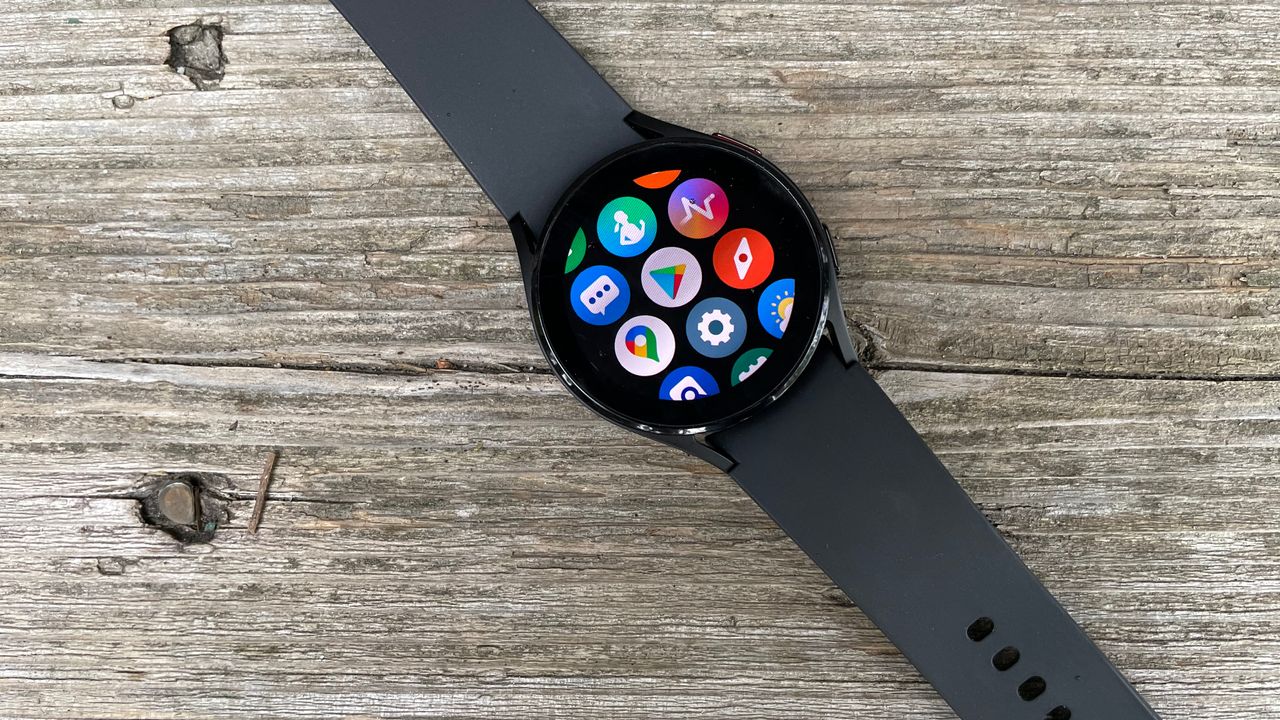
Smartwatches have become our trusted companions in the ever-changing world of wearable technology, flawlessly integrating elegance and practicality. Beyond the bright panels and adjustable bands is a component that sometimes goes overlooked but is critical in monitoring our health - BPM. In this blog, we'll go into the realm of smartwatches, delving into the mystery of BPM and its importance in our daily lives. BPM: The Heart of the Matter BPM, or Beats Per Minute, lies at the core of smartwatch functionality, offering a window into our cardiovascular health. It measures the number of heartbeats in a minute, providing a real-time glimpse into the rhythm of our most vital organ. Understanding the science behind BPM involves recognizing that the heart's pumping rate, measured in beats per minute, can vary based on age, fitness level, and overall health. Smartwatches equipped with BPM sensors serve a multifaceted purpose, from aiding in health monitoring during physical activities to detecting stress and providing insights into sleep patterns. This unassuming metric, often overlooked, emerges as a pivotal feature, allowing users to proactively manage their well-being by interpreting the language of their heart's beats. The Science Behind BPM Monitoring BPM, or Beats Per Minute, is a pivotal metric measured by smartwatches to gauge the heartbeat frequency, offering insights into our cardiovascular health. The human heart pumps blood, and its rhythm is measured in beats per minute. Resting heart rates, varying from 60 to 100 beats per minute in adults, serve as a baseline. Smartwatches utilize optical heart rate sensors, employing light to detect blood flow in wrist capillaries. By analyzing light absorption patterns, these sensors calculate heart rates accurately. This scientific technique delivers real-time data, allowing users to comprehend their heart's function throughout diverse activities ranging from rest to exercise, considerably adding to overall health monitoring and well-being. Why Should You Care About Your BPM? Health Monitoring: Smartwatches featuring BPM sensors enable users to monitor their heart rate in real-time. This function is beneficial during physical activities such as exercises, assisting users in staying within their goal heart rate zones for maximum fitness advantages. Stress Detection: An increased heart rate may indicate tension or worry. These shifts may be detected by smartwatches with BPM monitoring capabilities, providing buyers with beneficial information about their mental health. Recognizing stress patterns enables proactive stress management and relief techniques. Sleep Tracking: Our heart rate undergoes variations during different sleep stages. Smartwatches leverage BPM monitoring to track these fluctuations, offering detailed sleep analysis. By understanding how your heart behaves during sleep, you can make adjustments to improve sleep quality. How Smartwatches Measure BPM Optical Heart Rate Sensors: The majority of modern smartwatches employ optical heart rate sensors. These sensors use light to detect blood flow through the capillaries in the wrist. The smartwatch can calculate the heart rate accurately by analyzing the light absorption pattern. Electrocardiogram (ECG) Technology: Some sophisticated smartwatches contain ECG technology in addition to BPM monitoring. An ECG measures the electrical activity, providing a more detailed analysis of rhythm. It can be especially advantageous for people who have cardiac issues. Interpreting BPM Readings Resting Heart Rate: Your resting heart rate is the number of beats per minute at rest. A lower resting heart rate is generally associated with better cardiovascular fitness, while a consistently high resting heart rate may indicate underlying health issues. Target Heart Rate Zones: During exercise, smartwatches help users stay within their target heart rate zones. These zones are based on individual fitness goals, whether fat-burning, cardiovascular improvement, or endurance training. Heart Rate Variability (HRV): Smartwatches with advanced BPM monitoring can provide insights into heart rate variability. HRV is the variation in time between successive heartbeats and is linked to the body's ability to adapt to various stressors. Higher HRV is often associated with better resilience and overall health. The Evolution of BPM in Smartwatches The integration of BPM monitoring in smartwatches represents a significant stride in the evolution of wearable technology. Early fitness trackers paved the way, offering heart rate monitoring. Today, sophisticated smartwatches measure BPM and provide actionable insights, contributing to a more comprehensive approach to health and well-being. Challenges and Limitations Despite technical developments, there are challenges and restrictions to integrating BPM monitoring in smartwatches. One main problem is the accuracy of optical sensors, which can be impacted by factors such as wrist movement, ambient light conditions, and skin tone fluctuations. The accuracy of BPM measurements is dependent on the watch's capacity to detect blood flow through wrist capillaries regularly. Furthermore, while smartwatches provide beneficial information, users must know their limits. These gadgets do not replace professional medical advice or diagnosis. These devices are not a substitute for professional medical advice or diagnosis. Individuals with specific health concerns should consult healthcare professionals for a comprehensive assessment. User expectations should be tempered by an understanding that smartwatches provide estimations based on sensor data rather than exhaustive medical analyses. Acknowledging these challenges is crucial for users to interpret BPM readings with a balanced perspective, utilizing smartwatches as supportive tools for health and fitness rather than absolute diagnostic instruments. As technology advances, addressing these challenges will likely be a focal point in refining the accuracy and reliability of BPM monitoring in smartwatches. Conclusion: Your Heart on Your Sleeve Finally, BPM tracking in smartwatches is more than just a technological function; it's a window into our cardiovascular health. We receive vital insights into our general well-being by monitoring our heart rate, from fitness levels to stress management. We may expect increasingly more advanced features that allow us to take charge of our health as smartwatches advance. So, the next time you peek at your wristwatch and see that BPM reading, remember that it's a beat, a rhythm, and a reminder that your heart is practically on your sleeve.
Learn more
Best Smartwatch Under 10,000 in Pakistan (2024)
When you're looking for your first smartwatch, you'd like something within a modest budget in Pakistan rather than going for the Apple and Samsung devices from the get go. This is why we at YOLO have taken it upon ourselves to provide the people of Pakistan option for the best smartwatch under just Rs.10,000 PKR with variety of colors and features. We're confident you'll absolutely LOVE EM Best Smartwatch Under 10,000 in Pakistan Smartwatch Model Sale Price Watch Pro Rs. 6,999 WatchPro Max Rs. 8,499 Fortuner Pro Rs. 8,999 Thunder Rs. 7,499 Epic Rs. 6,499 Watch Pro The YOLO Watch Pro is a versatile smartwatch designed for both men and women. Priced at Rs. 6,999.00, it offers a blend of style and functionality. This watch is equipped with multiple sports modes, making it an ideal companion for fitness enthusiasts. It also includes features like heart rate monitoring and sleep tracking, ensuring a comprehensive health and fitness overview. The YOLO Watch Pro's sleek design and customizable watch faces cater to both fashion and practicality, making it a smart choice for everyday wear. Watch Pro Max Available at a sale price of Rs. 8,499.00, the YOLO WatchPro Max stands out with its advanced features and elegant design. This smartwatch is tailored for those who seek a blend of luxury and technology. It includes enhanced fitness tracking capabilities, a high-resolution display for clear visibility, and extended battery life for prolonged usage. The WatchPro Max is also equipped with smart notifications, keeping you connected with your phone's essential updates. Fortuner Pro The YOLO Fortuner Pro, priced at Rs. 8,999.00, is a smartwatch that combines robustness with sophistication. It is designed for individuals who lead an active lifestyle. This watch comes with various sports tracking modes, a durable build suitable for outdoor activities, and a battery that supports extended use. Additionally, the Fortuner Pro features health monitoring tools such as a heart rate sensor and sleep tracker, making it a comprehensive device for health-conscious users. Thunder: Priced at Rs. 7,499.00, the YOLO Thunder Calling Watch is a unique blend of technology and convenience with a premium round dial It features an AI Voice Assistant, enabling hands-free control and enhanced user interaction. This smartwatch supports calling functionality, allowing you to make and receive calls directly from your wrist. It also includes standard fitness and health tracking features, along with a stylish design that suits both casual and formal wear. Epic The YOLO Epic, available for Rs. 6,499.00, is a fashion-forward smartwatch that doesn't compromise on functionality. It is particularly designed for the modern, style-conscious individual. The watch offers health and fitness tracking, customizable watch faces, and smart notifications. Its elegant design, combined with a user-friendly interface, makes the YOLO Epic a perfect accessory for those who want to stay connected and stylish. Stay Connected, Stay Smart at a Budget Discover how these affordable smartwatches seamlessly integrate into your daily life, keeping you connected and in control. From notifications to health tracking, these watches go beyond timekeeping, enhancing your lifestyle with every smart feature at a budget too. With this collection of smartwatches placed at just under Rs. 10,000 in Pakistan we believe that we've hit the jackpot when it comes to the perfect balance of functionality and affordability. Perks: Instant notifications for calls, messages, and more. Sync with your devices for a seamless tech experience. Smart fitness tracking to keep your health in check. Best Cheap Smartwatches for Pakistani People Our bundles are the best affordable watch options around Pakistan, with all the features that your typical Samsung smartwatches provide while also giving them at a quarter of the price to the people of Pakistan. Our Smartwatches under 15000 are also a great package for those looking for a bit more 'oomph' to their style and substance
Learn more
How to Boost Your Productivity with Your Smartwatch
Introduction Smart watches have evolved far beyond mere time-keeping devices. Today, they are indispensable tools in our quest for increased efficiency and productivity. In an era where every second counts, your smartwatch is not just a gadget—it's your partner in managing daily tasks, streamlining work, and balancing personal commitments. Let's explore how these sophisticated devices can significantly boost your productivity, transforming the way you interact with technology and your environment. The Evolution of Smartwatches: From Time-Keeping to Productivity Tools The transformation of smartwatches from simple time-telling devices to complex productivity tools is nothing short of remarkable. Initially designed for fitness tracking and basic notifications, these wearables have now become integral to managing our daily lives. From scheduling meetings to tracking important reminders, the smartwatch has become a symbol of modern efficiency, catering to the fast-paced demands of our lifestyles. Staying Connected: Smartwatch Features for Work In the modern workplace, staying connected is crucial. Smartwatches, with features like Slack integration on Yolo Watches, make this easier than ever. These devices allow you to stay in touch with your team, manage documents, and even attend meetings—right from your wrist. By streamlining communication and providing instant access to critical information, smartwatches boost workplace productivity and ensure you're always in the loop. Managing Finances and Expenses Efficiently For the self-employed and business owners, financial management is key. Tools like Billings Pro on the Apple Watch simplify tracking expenses, mileage, and more. With these apps, you're not just wearing a watch; you're carrying a financial assistant on your wrist, helping you stay on top of your business finances with ease and efficiency. Creating a Family Hub with Your Smartwatch Balance between work and home is crucial for productivity. Smartwatches can help create a family hub, managing tasks with voice assistants like Alexa on the Fitbit Versa 3. From controlling smart home devices to organizing shopping lists, these watches work tirelessly in the background, ensuring your home runs smoothly while you focus on other priorities. Utilizing To-Do Lists and Reminders Nothing beats the classic to-do list for staying organized. But when this tool is on your smartwatch, like the our Yolo Smartwatches, it becomes even more powerful. These devices not only remind you of pending tasks but also keep your hands free as you tick off items. Whether it's managing shopping lists or work-related checklists, smartwatches streamline these tasks, enhancing your efficiency manifold. Language Translation and Cultural Connectivity Gone are the days of fumbling with language dictionaries while traveling. Modern smartwatches, equipped with apps like Microsoft Translator, offer real-time translation services. This feature is invaluable for international business travelers, breaking down language barriers and enhancing communication. Understanding and Improving Habits with Mindfulness Apps Mindfulness has become a key component in modern productivity strategies. Smartwatches, with apps like those available on Fitbits, offer guided breathing exercises, helping you focus and regain your productivity. By understanding and managing your habits and emotions, you are better equipped to tackle your daily tasks with renewed vigor and clarity. Seamless Access to Notes and Information In today's fast-paced world, having quick access to information is critical. Smartwatches facilitate this by allowing voice notes and dictation through digital assistants like Google Assistant, Bixby, and Siri. These features are invaluable for taking notes on the go, ensuring you never miss a beat in your busy schedule. Maximizing Efficiency with Voice Commands and Automation Incorporating voice commands into your smartwatch usage significantly enhances efficiency. This feature is perfect for multitasking, allowing you to set reminders, dictate emails, and create lists hands-free. Smart wearables, especially those with always-on voice command, are changing the game for productivity, especially in work-from-home setups. Enhancing Productivity at Home with Wearables Smartwatches and wearables are not just for the office. Their versatility extends to the home, where they can help you manage household tasks and maintain a work-life balance. By setting reminders for personal tasks and using the device as a hub for smart home control, these wearables ensure that your productivity doesn't dip, even in the comfort of your home.
Learn more
How to Connect Smartwatch with iPhone
In the fast-paced digital era, smartwatches have become our daily companions, aiding us in various aspects of our lives. If you own an iPhone, connecting it with a smartwatch can enhance your user experience significantly. This comprehensive guide will walk you through the step-by-step process of connecting your smartwatch with your iPhone, ensuring you unlock its full potential seamlessly. Choosing the Right Smartwatch Selecting the perfect smartwatch to complement your iPhone is a crucial first step in establishing a seamless connection. Not all smartwatches are created equal, and choosing one compatible with iOS is essential. Begin by considering your specific needs and preferences. Do you prioritize fitness tracking, app availability, or stylish design? Identifying your priorities will help you narrow down your options. It's also crucial to ensure that the smartwatch you choose is compatible with iOS. Check the manufacturer's specifications and compatibility list to confirm that it works harmoniously with your iPhone. Some popular options for iPhone users include the Apple Watch, Samsung Galaxy Watch, Fitbit Versa, and Garmin watches. Each of these offers a unique set of features, so it's vital to select the one that best aligns with your requirements. Before making your final decision, read reviews and seek recommendations to gain insights into user experiences. Investing time in research and choosing a suitable smartwatch will set the foundation for a productive and enjoyable partnership between your iPhone and your new wearable companion. Ensure Compatibility Before embarking on the journey to connect your smartwatch with your iPhone, it's essential to confirm that both your smartwatch and iPhone are compatible. Compatibility issues can lead to frustrating connection problems and limited functionality. Start by checking your iPhone's operating system. Make sure it's running the latest iOS version. Smartwatches often require specific iOS versions to function correctly, so keeping your iPhone up-to-date is crucial. Next, consider the smartwatch itself. Ensure that it explicitly supports iOS devices. Manufacturers typically provide compatibility information on their websites or in the product specifications. Remember that not all smartwatches are compatible with iPhones, so it's vital to choose one that ensures a smooth and hassle-free pairing process. Checking compatibility upfront will save you time, effort, and potential disappointment, making it the crucial first step in connecting your smartwatch with your iPhone. Install the Manufacturer's App Before you can connect your smartwatch to your iPhone, it's crucial to install the dedicated app provided by the smartwatch manufacturer. This app serves as the bridge between your iPhone and the smartwatch, enabling you to configure settings, receive notifications, and access additional features specific to your smartwatch model. To get started, head to the App Store on your iPhone and search for the app associated with your smartwatch brand. For instance, if you own an Apple Watch, download the 'Apple Watch' app. If you have a Samsung or Fitbit smartwatch, search for their respective apps. Once you've found the app, tap 'Install' and wait for it to download and install on your device. Installing the manufacturer's app is a fundamental step, as it not only facilitates the initial pairing but also grants you access to essential functionalities and settings. Without this app, your smartwatch won't be able to communicate effectively with your iPhone, limiting its capabilities. Therefore, ensuring you have the correct app installed is a crucial first step in establishing a seamless connection between your smartwatch and iPhone. Enabling Bluetooth on Your iPhone Ensuring Bluetooth is enabled on your iPhone is a pivotal step in connecting your smartwatch. Bluetooth is the wireless technology that facilitates the communication between your smartwatch and iPhone. To activate Bluetooth, navigate to your iPhone's settings by tapping the "Settings" app on your home screen. In the settings menu, look for "Bluetooth" and tap it. A switch on the top right-hand side is present; slide it to the right to enable Bluetooth. When enabled, your iPhone will search nearby Bluetooth devices, including your smartwatch. This step is essential because it allows your smartwatch and iPhone to develop a secure connection. Without Bluetooth enabled, the two devices cannot communicate, rendering the pairing process impossible. Once enabled, you'll be well on your way to connecting your smartwatch with your iPhone, setting the stage for a seamless and feature-rich experience. Remember to keep Bluetooth enabled for ongoing connectivity between your smartwatch and iPhone, as it's the backbone of their communication. Power Up Your Smartwatch Power on your smartwatch and follow the on-screen instructions to set it up. Usually, you'll need to pair the smartwatch with your iPhone during the setup process. Pair Your Devices Open the manufacturer's app on your iPhone and follow the prompts to pair your smartwatch. It may involve scanning a QR code or entering a verification code displayed on your smartwatch. Once paired, your iPhone and smartwatch are connected. Customize Your Settings After successfully pairing your smartwatch with your iPhone, it's time to personalize your smartwatch experience. Start by opening the manufacturer's app on your iPhone, which typically provides various customization options. First, you can fine-tune notification settings to control which alerts reach your wrist, ensuring you are only notified about what truly matters to you. Next, explore the app's library of watch faces, allowing you to select a style that suits your taste and needs, from minimalist designs to data-rich faces with fitness stats. Additionally, many smartwatch apps offer widgets and shortcuts that can be rearranged to your liking, providing quick access to the features you use most frequently. Whether it's about configuring fitness tracking preferences or setting up quick replies to messages, these customization options empower you to tailor your smartwatch to your unique lifestyle, making it an indispensable extension of your iPhone. Take some time to explore these settings, and you'll find that your smartwatch becomes an even more valuable and personalized companion in your daily life. Sync Your Data When you're trying to connect your smartwatch to your iPhone, occasional hiccups can occur. These troubleshooting tips are here to help you navigate through those challenges. If the initial connection attempt fails, don't panic. The first step is to restart your iPhone and your smartwatch, which can often resolve connectivity issues. Additionally, it's crucial to keep your smartwatch's firmware up-to-date. Manufacturers regularly release updates that may address bugs or improve connectivity. If problems persist, double-check the compatibility of your smartwatch with your iPhone model, ensuring they are indeed designed to work together. You can overcome common obstacles and have a smooth and stable connection between your smartwatch and iPhone, making your wearable tech a valuable addition to your daily life by following these troubleshooting tips. Troubleshooting Tips If the connection fails: Restart both your iPhone and smartwatch, then attempt the pairing process again. Update the firmware: Ensure your smartwatch has the latest firmware update. Manufacturers often release updates to improve connectivity and fix bugs. Check compatibility: If you're facing persistent issues, confirm that your smartwatch is compatible with your iPhone. Conclusion Connecting your smartwatch with your iPhone enhances your digital lifestyle, providing various features at your fingertips. You can effortlessly establish a seamless connection between your iPhone and smartwatch, unlocking a world of possibilities and convenience by following this step-by-step guide and troubleshooting tips. Now, armed with this knowledge, enjoy the full potential of your smartwatch, seamlessly integrated with your iPhone!
Learn more
Smart Watches to Monitor Health
In today's fast-paced world, the demand for convenient health monitoring solutions has never been higher. Smartwatches have emerged as powerful tools for keeping track of our well-being. These wearable devices offer various features, from tracking your steps and heart rate to monitoring sleep patterns and ECG readings. In this blog, we will explore the incredible capabilities of smartwatches in monitoring and improving our health. The Evolution of Smart Watches The evolution of smartwatches is a captivating journey that has transformed these wrist-worn devices from mere time-telling accessories into powerful health monitoring tools. In their early days, smartwatches were primarily designed to sync with smartphones and provide convenient access to notifications and calls. However, their potential for health monitoring became increasingly evident. As technology advanced, smartwatches developed various sensors and features, paving the way for their multifaceted health-tracking capabilities. These devices have evolved from basic activity trackers to comprehensive health companions. With the integration of heart rate monitoring, sleep tracking, stress management, and even electrocardiogram (ECG) readings, smartwatches now provide users with a holistic view of their physical and mental well-being. They have become sleek and stylish, suitable for various occasions. The evolution of smartwatches is not only a testament to the rapid progress of technology but also a testament to the growing awareness of the importance of health in our lives. These technologies have evolved, having outlived their initial function and becoming crucial in our quest for a better living. Tracking Your Physical Activity One of the most common and basic features of smartwatches is activity tracking. They count your steps, estimate the distance you've traveled, and even calculate the calories burned during your workouts. This data can help you set and achieve fitness goals while encouraging an active lifestyle. Heart Rate Monitoring One of the most fundamental health monitoring features of smartwatches is heart rate monitoring. These devices come equipped with optical sensors that continuously measure your heart rate throughout the day, providing valuable real-time data that can be pivotal in maintaining your overall well-being. By tracking your heart rate, smartwatches enable you to stay in tune with your body, detecting irregularities and changes in your cardiovascular health. This information can be particularly crucial for individuals with heart conditions, as it can be an early warning system for potential issues. It also aids in optimizing your fitness routines; by monitoring your heart rate during workouts, you can ensure you're in the suitable training zone to meet your fitness goals while minimizing the risk of overexertion. Moreover, tracking your heart rate during periods of rest or relaxation can offer insights into your stress levels, aiding in stress management. Overall, heart rate monitoring is a core function of smartwatches that empowers users to take proactive steps towards a healthier life. Sleep Tracking for Quality Rest Quality sleep is crucial for maintaining good health, and many smartwatches now offer sophisticated sleep-tracking features. By monitoring your sleep patterns, these devices can provide insights into your sleep quality, helping you make adjustments to improve your rest. Stress Management Modern life is often stressful, and smartwatches are beginning to address this issue. Some models now come with stress tracking and management features. These devices measure your stress levels and offer guided breathing exercises and relaxation techniques to help you calm down and reduce stress. Nutrition and Hydration Smartwatches are not limited to tracking physical activity and sleep; they can also assist in monitoring your nutrition and hydration. Some smartwatches have apps that allow you to log your food intake and water consumption, helping you maintain a balanced diet. ECG and Blood Pressure Monitoring The capabilities of smartwatches are expanding rapidly, with some models offering electrocardiogram (ECG) and blood pressure monitoring. These features can be lifesavers for individuals with heart conditions, providing instant feedback on heart health and blood pressure levels. Medication Reminders and Health Records For those who need to take medication regularly, smartwatches can serve as personal assistants. They can send medication reminders and even store your health records, such as allergies and medical conditions, making it easy to share critical information with healthcare providers. Integrating with Health Apps Most smartwatches seamlessly integrate with health and fitness apps, creating a comprehensive health ecosystem. This connectivity allows you to consolidate all your health data in one place, making it easier to track your progress and make informed decisions. Remote Health Monitoring Smartwatches are not just for personal health tracking. They can also enable remote health monitoring for seniors or individuals with chronic illnesses. Family members and healthcare providers can access real-time health data, ensuring timely intervention if any issues arise. Heading 11: Personalized Health Recommendations With the help of artificial intelligence and machine learning, smartwatches can analyze your health data to provide personalized recommendations. It may include exercise routines, dietary suggestions, and lifestyle changes tailored to your needs. Challenges and Concerns While smartwatches offer many health benefits, there are some challenges and concerns. These include data security and privacy, the accuracy of health monitoring features, and the potential for overreliance on these devices. It's essential to maintain a balance between using smartwatches as health aids and consulting healthcare professionals for a comprehensive assessment. The Future of Smartwatch Health Monitoring The future of smartwatches in health monitoring is promising. We can expect even more accurate sensors, additional health monitoring features, and enhanced AI-driven insights with ongoing technological advancement. These wearable devices will likely become even more integrated into our daily lives, helping us lead healthier and more informed lifestyles. Conclusion Smartwatches have transitioned from simple timekeepers to sophisticated health-monitoring companions. They offer various features to track physical activity, heart rate, sleep, stress, nutrition, and even more advanced functions like ECG and blood pressure monitoring. These wearable devices will play an increasingly crucial role in our overall health and well-being as technology advances. However, it's necessary to use them as aids rather than substitutes for professional medical advice. Smartwatches are a valuable addition to your health toolkit, but consulting healthcare professionals remains paramount in maintaining your health. So, as you strap on your smartwatch, remember that you're not just wearing a piece of tech; you're wearing a guardian of your health.
Learn more
The Future of Smart Watches
Smartwatches have ceased to be mere wrist accessories; rather, they are so embedded in our daily lives that we can hardly do without them. These small and smart gadgets have gone through significant changes from when they were first introduced and the future promises more advances and integration into our lives. Here, we will delve into the interesting world of smartwatches by looking at their history, current status, and the prospects for the future. The Smartwatch Evolution: A Quick Recap Recapitulating the past is one way to grasp what lies ahead. Initially, smartwatches were seen as toys launched somewhere around 2010s with only call notifications among other simple features. Consequently, fitness tracking, GPS and music control were integrated. Manufacturing giants such as Apple, Samsung or Fitbit played a key role in making smartwatches multifunctional fashion wears. Health and Wellness: The Heart of Smartwatch Evolution One striking development in smartwatches has been their ability to improve health and wellbeing. Smartwatches that can monitor heart rate, record physical activities performed by an individual and even take an electrocardiogram are priceless tools for an athlete who wants to lead a healthy life. Anticipate to see more advanced health monitoring functions like continuous glucose monitoring in future. Connectivity Beyond Expectations Smartwatches are no longer just extensions of our smartphones; they are gradually becoming independent devices. The future will see more standalone smartwatches with the capability to make calls, send messages, and access the internet without needing a paired smartphone. This increased independence will empower users with more freedom and flexibility. Revolutionizing Payments and Identification The future of smartwatches is likely to bring about a revolution in how we make payments and identify ourselves. Already, many smartwatches support NFC-based mobile payments, and this trend will continue to grow. In addition, biometric authentication, like fingerprint and facial recognition, could become standard features, making our smartwatches even more secure. Display Technology: Flexible and Dynamic The future of smartwatches is destined to be dynamic, thanks to advances in display technology. Flexible, OLED, and micro-LED displays will provide large and more vibrant screens while maintaining a sleek, compact form. It will enable more interactive interfaces and better user experiences. Battery Life: The Eternal Challenge One perennial challenge with smartwatches has been battery life. Nobody wants a device that needs daily charging. The future holds promises of longer battery life through improved battery technology, efficient power management, and even energy harvesting from the wearer's movements or body heat. We might soon see smartwatches that can last weeks on a single charge. Augmented Reality (AR) on Your Wrist Imagine having a miniature augmented reality display on your wrist, providing real-time information about your surroundings or enhancing your daily activities. The future of smartwatches could integrate AR capabilities beyond what we've seen in the likes of Google Glass, offering seamless, hands-free information access. Ecosystem and App Integration The future of smartwatches also hinges on their integration into our tech ecosystems. These devices will become even more powerful when they can seamlessly connect with other smart devices in our homes, cars, and workplaces. Enhanced app integration will make smartwatches central hubs for controlling and monitoring various aspects of our lives. Environmental Considerations: Sustainability and Recycling As technology progresses, sustainability and environmental concerns have become increasingly important. The smartwatch industry is no exception. In the future, we can expect more emphasis on sustainable materials, energy-efficient production, and recycling programs for these devices. Fashion Meets Functionality: Personalization and Customization Fashion and personal style have always been significant factors in the design and adoption of wearables. The future of smartwatches will place a strong emphasis on personalization and customization, allowing users to choose not only the functionality of their devices but also their appearance. Modular designs and customizable bands are likely to become more prevalent. Challenges on the Horizon: Privacy and Security With the increasing amount of personal data stored and transmitted by smartwatches, privacy and security will remain paramount concerns in the future. Expect more robust security measures and data protection features, as well as enhanced privacy controls that put users firmly in charge of their data. Affordability and Accessibility The future of smartwatches will not be limited to premium, high-priced devices. As technology matures and economies of scale kick in, smartwatches will become more affordable and accessible. This democratization of technology will make these devices an integral part of everyday life for many. Chasing the Holy Grail: Longevity and Durability In the quest to create the ultimate smartwatch, manufacturers will undoubtedly focus on longevity and durability. The ability to create a watch that stands the test of time and withstands various environmental conditions will be a significant selling point in the future. The Role of Artificial Intelligence (AI) AI will play a vital role in the future of smartwatches. Machine learning algorithms will enable these devices to provide more accurate predictions, personalized recommendations, and contextual assistance. Imagine a smartwatch that not only tracks your health but also anticipates when you might need a break or suggests the most suitable exercise routine based on your energy levels and goals. The Era of Sustainability As technology evolves, the environmental impact of smartwatch production and disposal will become increasingly important. Manufacturers will be pressured to adopt sustainable practices, from sourcing materials to recycling old devices. Solar-powered and biodegradable smartwatches might become a reality in the quest for a greener, more sustainable future. The Future of Smartwatches: A Synergy of Advancements The future of smartwatches will not be about one revolutionary feature, but rather an amalgamation of advancements that will turn these devices into our must-haves every day. The smartwatch industry is embarking on an exciting journey, ranging from enhanced health tracking to prolonged battery life, personalized experience and sustainable practices. To sum up, smartwatches would be a great combination of fashion and function, convenience and health, technology and sustainability. As we go on, let us expect a world where these are more than just gadgets but essential tools making our lives easy with some class. Smartwatches have a lot in store for us; hence they are just beginning to redefine how we live our lives through work or play. Thus it’s important to keep your eyes glued to your wrist if you want to enjoy the best moments yet to come.
Learn more
7 Reasons Why Smartwatches Are Worth It
In recent years, smartwatches have taken the world by storm, and it's not hard to see why. These sleek and intelligent gadgets have transformed our interaction with technology, offering a wide range of features that make them indispensable in our daily lives. If you're still on the fence about investing in a smartwatch, we've got you covered. In this blog, we'll explore seven compelling reasons why smartwatches are worth every penny. A Convenient Extension of Your Smartphone Smartwatches have revolutionized our interaction with our smartphones, and this transformation begins with their ability to serve as a convenient extension of our mobile devices. By connecting seamlessly via Bluetooth, smartwatches bridge the gap between your wrist and your smartphone, offering a level of accessibility that was once the stuff of science fiction. This connectivity is a game-changer for several reasons. Firstly, it means that you don't have to constantly reach for your phone, which is particularly handy in various situations, such as during meetings or while driving. You can discreetly check notifications, read messages, and even answer calls directly from your wrist. Moreover, the convenience of having your smartphone's main functions readily available on your wrist ensures that you stay connected without the hassle of digging through pockets or bags. It not only saves time but also enhances safety by reducing distractions while driving or walking. In essence, smartwatches make staying in touch and in the know more effortless and efficient than ever before. Health and Fitness Tracking Smartwatches aren't only for techies; they're also great workout partners. Most current smartwatches have a variety of health and fitness tracking capabilities. These gadgets can measure your heart rate, steps, and sleep habits and even give guided exercises. You can make educated decisions regarding your health and fitness objectives with real-time data at your fingertips. Furthermore, they frequently connect with specific smartphone applications, allowing you to keep track of your progress over time. Customizable Watch Faces One of the standout features of smartwatches that sets them apart from traditional timepieces is their ability to change watch faces. Unlike a traditional watch with a static appearance, smartwatches offer an unprecedented level of personalization. Users can select from various watch face designs, ranging from classic analog looks to futuristic digital displays. This level of customization allows you to match your watch to your mood, outfit, or occasion. Whether you're attending a formal event, going for a run, or want a fun, animated watch face, smartwatches provide endless options. Many smartwatch manufacturers encourage third-party development, enabling you to download or create your custom watch faces. This feature not only enhances the aesthetic appeal of your watch but also allows you to express your style and preferences. It's an aspect of smartwatches that appeals to those who enjoy accessorizing and adding a touch of uniqueness to their daily wear, making them more than just a tech gadget but also a fashion statement. Enhanced Productivity Smartwatches are not just for receiving notifications; they also help boost your productivity. With quick access to your calendar, to-do lists, and reminders, you can stay organized and on top of your tasks. Some smartwatches even support voice commands, allowing you to set reminders or send messages without typing. This convenience can be a game-changer in a busy workday, helping you stay focused and efficient. Navigation and Maps If you've ever been lost in an unfamiliar city, you'll appreciate the navigation capabilities of a smartwatch. Many smartwatches come with built-in GPS, which means you can receive turn-by-turn directions right on your wrist. Whether exploring a new city or hiking in the wilderness, your smartwatch can help you find your way. This feature is not only handy but also adds a layer of safety to your adventures. Music Control Gone are the days of fumbling with your phone to change tracks while on a run or in the middle of a workout. Smartwatches allow you to control your music with ease. You can play, pause, skip tracks, and adjust the volume directly from your wrist. With built-in storage or streaming capabilities, you can listen to your favorite tunes without needing your phone nearby. It's a small but significant convenience that music lovers will undoubtedly appreciate. Notifications and Alerts Finally, smartwatches are invaluable for staying informed and connected. You can receive notifications for emails, social media updates, calendar events, and more, in addition to calls and texts. These notifications may be tailored to your preferences, so you only see the information important to you. This function allows you to remain on top of your digital life without constantly pulling out your smartphone. Get Your Favorite Smartwatch From YOLO YOLO smartwatches are worth every penny you invest in them. With their seamless connectivity, fitness and health tracking, stylish design, long battery life, useful apps and features, water resistance, and competitive pricing, they offer a complete package that enhances your daily life. Whether you're a tech enthusiast, a fitness fanatic, or a fashion-conscious individual, YOLO smartwatches cater to your needs and provide an exceptional user experience. So, why wait? Join the growing community of satisfied YOLO smartwatch users and elevate your lifestyle with the perfect blend of technology and style. Don't miss out on the opportunity to make your life more efficient, healthier, and stylish with a YOLO smartwatch on your wrist. Make the smart choice today and enjoy the benefits of a YOLO smartwatch. Conclusion In a world where technology is an integral part of our daily lives, smartwatches have emerged as a valuable addition to our gadget collection. These compact devices offer various benefits, from seamless smartphone integration to advanced health tracking and fitness features. With the ability to customize your watch face, enhance productivity, and control music, smartwatches are versatile companions for modern living. Their navigation capabilities and notifications ensure you're never lost or out of the loop. All in all, the convenience and versatility of smartwatches make them a worthwhile investment for individuals of all backgrounds. So, if you're still debating whether to add a smartwatch to your tech arsenal, consider the seven compelling reasons we've outlined here. Smartwatches are more than just a trend; they are here to stay and have proven that they are truly worth it.
Learn more
Smartwatch vs. Digital Watch: Making the Timekeeping Choice
Even the most basic of devices—watches—have experienced a dramatic metamorphosis in a world where technology is advancing into our everyday lives. The days of gadgets serving as a timepiece are long gone; today, watches come in various designs, including smartwatches and digital watches, each with its functions and benefits. In this article, we'll go deeply into the world of timekeeping accessories and examine the fundamental distinctions between digital watches and smartwatches, guiding you toward the choice that best meets your needs. Understanding Smartwatches A Glimpse into the Future of Timekeeping The apex of timekeeping technology is a smartwatch. These watches-like gadgets have progressed from being only smartphone companions to being capable mini-computers in their own right. These are some of the main advantages and features of smartwatches: Multifunctionality: Smartwatches are multipurpose devices that can do more than tell the time. In addition to providing turn-by-turn navigation, they may show notifications, measure your fitness, check your heart rate, play music, make calls, and send messages. Smartwatches often offer various functions, albeit the range of capabilities varies from one model to another. Customizability: Users may pick from different designs and styles to fit their interests and moods by customizing watch faces, a feature seen on various smartwatches. With only a few clicks on the screen, you may change from an old-fashioned analog appearance to a modern digital one. Connectivity: Smartwatches are intended to be smartphone extensions. They use Bluetooth to connect to your mobile device, keeping you connected even while it's hidden in your pocket or purse. You may receive notifications, manage the music on your phone, and even take calls right from your wrist because of the connection. Health and Fitness Tracking: Many smartwatches have sensors to count your steps, gauge your heart rate, check your sleep habits, and more. They often sync this data with the health applications on your smartphone, giving you crucial information about your general health. App Ecosystem: Smartwatches have their app ecosystems, similar to smartphone ecosystems. You can download and install the apps to improve your watch's functionality. There are a variety of alternatives to pick from, ranging from productivity tools to weather applications. Smartwatches for Different Lifestyles Whether you're a fitness enthusiast, a busy professional, or someone who enjoys staying connected, there's likely a smartwatch that caters to your lifestyle. For example: Fitness Fanatics: For people who place a high priority on their health and fitness objectives, smartwatches like the Apple Watch and Garmin series provide comprehensive fitness tracking functions, such as GPS, heart rate monitoring, and workout tracking. Tech Enthusiasts: Leading companies like Apple, Samsung, and Google offer smartwatches tightly linked with their ecosystems if you love the newest technology and desire a smooth interaction with your smartphone. Outdoor Adventurers: Rugged smartwatches with GPS navigation, altimeters, barometers, and other outdoor activity-specific features are available from companies like Garmin and Suunto. Exploring Digital Watches On the other hand, digital watches have been around for decades and are frequently considered the more conventional choice. These timepieces show the time digitally, usually using numbers instead of analog hands. The following are some essential features of digital watches: Simplicity: Digital watches are renowned for being straightforward. They display the time and are simple to read at a glance. Moreover, they often have few buttons for fundamental activities like adjusting the time. Durability: Many digital watches are made to resist challenging environments. They are appropriate for outdoor activities and sports since they are frequently shock- and water-resistant. Long Battery Life: Digital watches often have longer battery life than smartwatches. While some digital watches may only need a battery change every few years, others may endure for months on a single charge. Affordability: In general, digital watches are less expensive than their smartwatch equivalents. Digital watches are an affordable alternative if you're seeking a dependable timepiece without the extra features. Digital Watches for Different Lifestyles Digital watches cater to a wide range of users as well. Here are a few scenarios where a digital watch might be the preferred choice: Outdoor Enthusiasts: For hikers, climbers, and explorers, digital watches from manufacturers like Casio's G-Shock series are the perfect choice since they are made to survive harsh circumstances and provide functions like altimeters, barometers, and compasses. Workplace Professionals: Digital watches with sleek, minimalist designs can complement professional attire and provide accurate timekeeping without distractions. Simplicity Seekers: Some people prefer watches that only display the time without any other interruptions. The ideal timepiece for folks who like simplicity is a digital watch. Smartwatch vs. Digital Watch: Which Is Right for You? Choosing between a smartwatch and a digital watch depends on your preferences, needs, and lifestyle. Here are some key considerations to help you make the right choice: Consider a Smartwatch If: You Want Multifunctionality: If you're looking for a device that does more than tell time, a smartwatch provides a wide range of features and apps to enhance your daily life. You're Tech-Savvy: If you enjoy staying connected, using apps, and integrating with your smartphone, a smartwatch will likely be a great fit. Health and Fitness Are Important: Smartwatches provide comprehensive data and analysis for health and fitness tracking. You Value Customization: With the wide range of watch faces and app options available on smartwatches, you may completely customize your experience. Consider a Digital Watch If: You Prefer Simplicity: A digital watch is the best option if you want a simple timekeeper without any frills. Durability Is Key: A rugged digital watch can handle adverse conditions for outdoor enthusiasts and those in physically demanding environments. Battery Life Matters: Digital watches often have longer battery lives if you don't want to bother about charging them every day or every week. You're Budget-Conscious: Digital timepieces are a logical option for people on a restricted budget because they are often more affordable. Conclusion There is no universally applicable solution to the age-old argument between smartwatches and digital watches. Your priorities, tastes, and way of life will determine the best option. While smartwatches impress us with their adaptability and connection, digital timepieces provide unmatched simplicity and dependability. Whether you choose a digital watch with a classic design or a smartwatch with cutting-edge technology, both are crucial for keeping you on schedule in our hectic world.
Learn more
Is Smartwatch Oximeter Accurate? Lets Find Out!
In the age of technological advancements, smartwatches have become an integral part of our lives, offering a wide range of features beyond just telling time. One such feature is the built-in oximeter, which claims to measure our blood oxygen levels conveniently. But the question that arises is, "Are smartwatch oximeters accurate?" In this blog, we will dig deeper into the world of smartwatch oximeters, exploring their functionality, limitations, and the accuracy of the readings. Understanding Smartwatch Oximeters Smartwatches have revolutionized how we manage our daily lives, offering an impressive array of features that extend far beyond their traditional role as timekeepers. One of the most alluring features is the built-in oximeter, which promises to provide a quick and convenient method for monitoring our blood oxygen levels. This promise of convenience cannot be overstated, particularly in a world where health awareness has soared during the COVID-19 pandemic. With a simple tap on your wrist, you can check your blood oxygen saturation levels, eliminating the need for a standalone device and making health monitoring more accessible and seamless. However, as we explore the accuracy of smartwatch oximeters, we must consider whether this convenience comes at the expense of reliability. The Promise of Convenience One of the primary reasons people opt for smartwatch oximeters is convenience. This feature on your wrist means you can check your SpO2 levels anytime, anywhere, without a dedicated device. It's particularly appealing during the ongoing COVID-19 pandemic, where monitoring oxygen levels has gained significance. The Accuracy Debate The phrase "The Accuracy Debate" encapsulates the ongoing discussion surrounding the reliability of smartwatch oximeters in measuring blood oxygen saturation (SpO2). At the heart of this debate is a critical question: Can we trust the SpO2 readings provided by these convenient wrist-worn devices? Critics argue that smartwatch oximeters often yield inconsistent results, with readings varying from one moment to the next. They cite concerns about the impact of sensor quality, algorithm sophistication, and user compliance on accuracy. These critics maintain that smartwatch oximeters should not be considered substitutes for medical-grade equipment when diagnosing or monitoring critical medical conditions. On the other side of the debate, proponents highlight the practicality and accessibility of smartwatch oximeters. They argue these devices offer valuable insight for general health monitoring, fitness tracking, and sleep analysis. They acknowledge their limitations but stress that, for many individuals, smartwatch oximeters can provide reasonably accurate SpO2 data in non-medical settings. In essence, "The Accuracy Debate" serves as a reminder that while smartwatch oximeters can be helpful tools, their readings should be interpreted with awareness of their limitations and complemented by professional medical advice when necessary. Variability in Readings: Smartwatch oximeters can yield inconsistent results, sometimes showing significant fluctuations in SpO2 levels even when measurements are taken within seconds of each other. This variability can raise doubts about their precision. Placement and Skin Tone: The accuracy of PPG-based measurements can be influenced by the placement of the device on your wrist and your skin tone. Tattoos, scars, and excessive hair can interfere with light absorption and reflection, potentially affecting the accuracy of readings. Motion Artifacts: Smartwatch oximeters are sensitive to motion artifacts. If you move your arm or hand while taking a measurement, it can lead to inaccuracies. Algorithm Limitations: The algorithms used in smartwatch oximeters may not be as sophisticated as those in medical-grade devices. They might struggle to compensate for certain conditions, leading to incorrect readings. Not FDA-Approved: Many smartwatch oximeters are not FDA-approved for medical use. While they can provide insights, they may not meet the rigorous standards required for medical-grade accuracy. Factors Affecting Accuracy Several factors can affect the accuracy of smartwatch oximeters: Quality of Hardware: The quality of sensors and components used in the smartwatch plays a significant role in accuracy. High-end smartwatches are likely to have better sensors and more accurate readings. Software Updates: Manufacturers often release software updates that can improve the accuracy of the oximeter feature. Staying updated is necessary. User Compliance: Users should follow the instructions carefully, ensuring proper watch placement and avoiding excessive movement during measurements. Skin Conditions: Skin conditions like cold hands, low perfusion, or nail polish can hinder accurate readings. Environmental Conditions: Extreme temperatures and high altitudes can affect the readings of some oximeters. When Can Smartwatch Oximeters Be Accurate? Despite their limitations, smartwatch oximeters can provide reasonably accurate readings for many individuals in non-medical settings. They can be beneficial for: General Health Monitoring: Tracking trends in SpO2 levels over time to detect any significant changes. Fitness Enthusiasts: Monitoring SpO2 during workouts to optimize training intensity. Sleep Tracking: Assessing how well your body is oxygenating during sleep. However, it's essential to remember that smartwatch oximeters are not a substitute for professional medical devices when diagnosing or monitoring medical conditions. Conclusion: Balancing Convenience and Accuracy In the quest for convenience, smartwatch oximeters have undoubtedly made it easier for individuals to monitor their blood oxygen levels. However, their accuracy can vary and may not always be suitable for medical-grade assessments. Users should approach smartwatch oximeters as tools for general health insights rather than as diagnostic devices. If you have a specific medical condition or require precise SpO2 measurements, consult a healthcare professional and consider investing in a dedicated medical oximeter. The accuracy and reliability of these devices are held to much higher standards, ensuring your health is in the best hands possible. In conclusion, while smartwatch oximeters offer convenience, their accuracy should be considered along with caution. They have their place in health monitoring, but they should not be relied upon as a sole indicator of your respiratory health. The accuracy of smartwatch oximeters will likely improve with technological advancement, but for now, they should be seen as supplementary tools rather than definitive medical devices.
Learn more

